

We’ve all fallen prey the deceptive nature of the sun, especially during the colder months when it seems to disappear from sight, leading us to believe that it might be OK to skip sunscreen for the day. In reality, the harmful rays of the sun are still very much present, and still very much a risk.
UVB rays, a type of ultraviolet ray most responsible for skin cancers and premature aging of the skin, are never blocked by an overcast sky due to their ability to penetrate clouds and windows, explained Jeannette Graf, a board-certified dermatologist and assistant clinical professor of dermatology at Mount Sinai School of Medicine.
“UVB rays may be less intense in the winter, but they are present year-round, and can be especially harmful in the winter because they reflect off of the ice and snowy surfaces onto your skin. The reflection of the rays actually causes them to hit you twice, once directly and once indirectly. This increases the chance of sunburn, premature aging, and skin cancer,” Graf said.
And then there are UVA rays to consider.
“UVA rays can damage our skin especially on sunny days but also on cloudy days and during the winter. UVA rays are of a longer wavelength and can readily penetrate whereas UVB is less readily involved in those scenarios,” explained Daniel Sugai, a board-certified dermatologist practicing in Bellevue, Washington
Sandra Lee is the founder of SLMD skincare and a board-certified dermatologist in California, who might be better known for inciting a pimple-popping craze as Dr. Pimple Popper. She further explained to HuffPost why winter sun protection is so crucial.
“During the winter months, our skin barrier is more vulnerable to environmental changes, so it’s already working harder to stay balanced and healthy. Wearing sunscreen during the day means your skin cells have less damage to try to repair overnight, which can help protect you from premature aging (not to mention skin cancer),” Lee said.
With the help of dermatologists, we created a list of sunscreens that can address your dry winter skin concerns and offer the best protection from the sun, this year and next.
A good option for extra dry skin
Target dullness and fine lines while you protect your skin from harmful UVA/UVB rays with this dewy and ultra hydrating cream. The Superscreen daily moisturizer SPF 40 uses a moisture-binding barrier derived from a plant fermentation that helps to not only keep skin hydrated, but help shield skin from atmospheric pollution and environmental stressors. A rare mineral called cerium helps prevent photo-aging caused by the blue light emitted by your phone and computer screen.
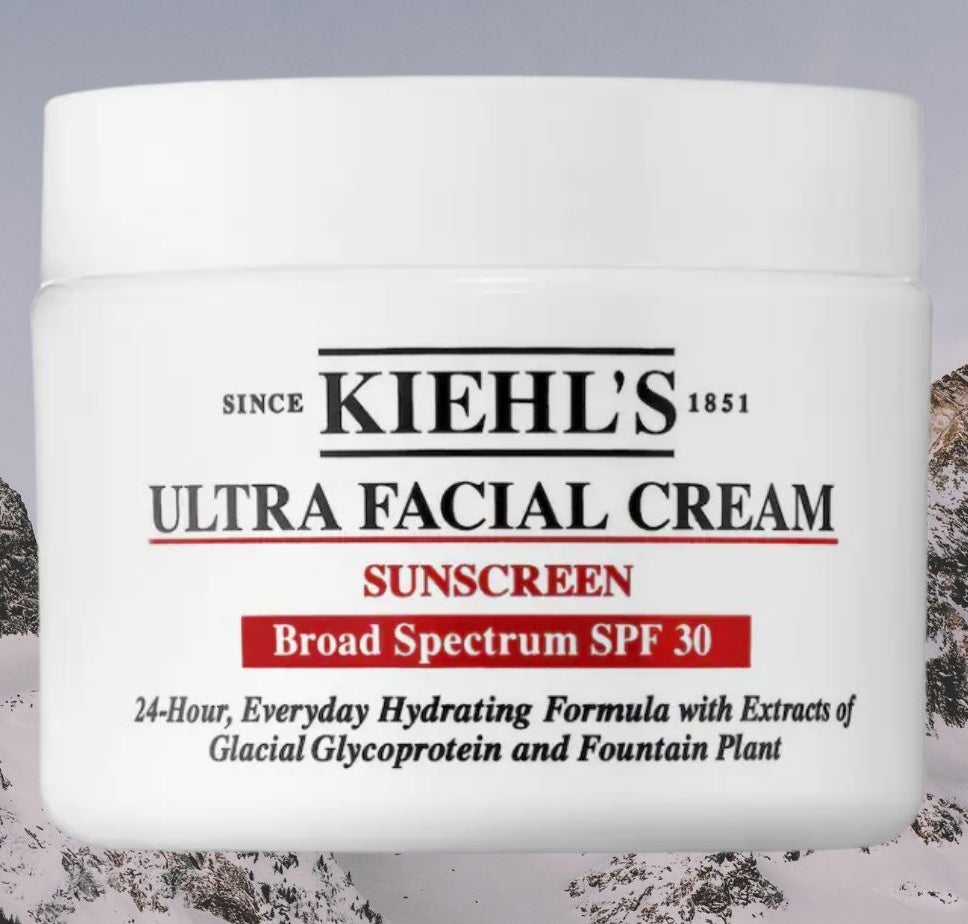
A 24-hour moisturizer designed to withstand extreme cold
The Kiehl’s ultra facial cream sunscreen SPF 30 has a lightweight texture, but it keeps skin feeling comfortable and balanced even in the most extreme cold climates. It’s formulated with a specific glycoprotein known to withstand extreme cold as well as fountain plant to keep skin healthy and resilient. The UVA and UVB protection offered by this sunscreen make this a good choice for people who spend a lot of time in the snow, which can reflect and magnify harmful UV rays.
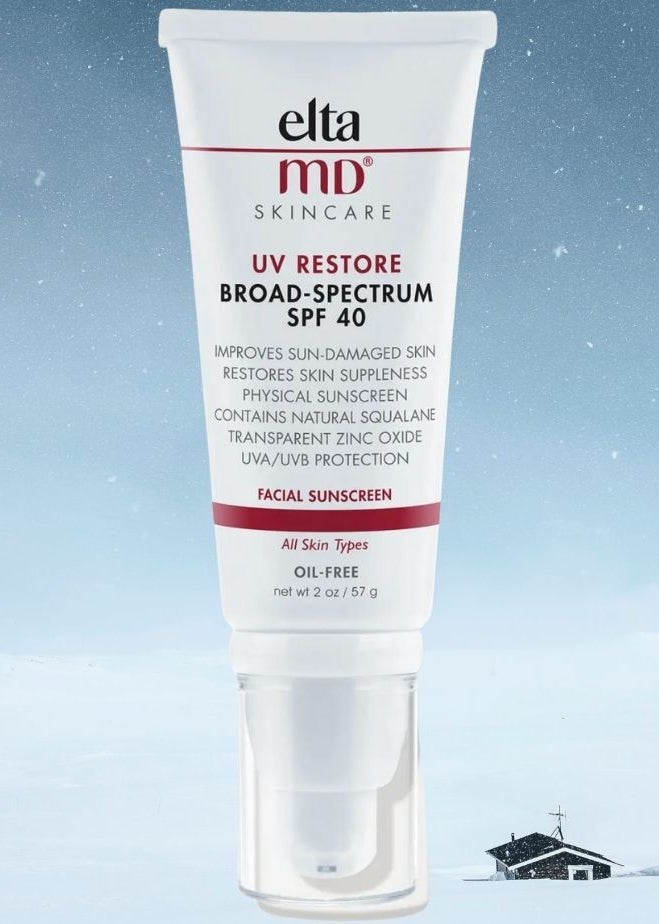
A broad spectrum protectant rich in antioxidants
Graf recommended Elta MD’s UV Restore SPF 40 because “it restores sun-damaged skin, while offering intense light protection. I recommend a broad spectrum mineral sunscreens that have zinc oxide and titanium dioxide because it’s safe for your skin and protects against UVA rays that cause photo-aging.” This formula also contains anti-inflammatory vitamin E, softening squalene and antioxidants that target dark spots.
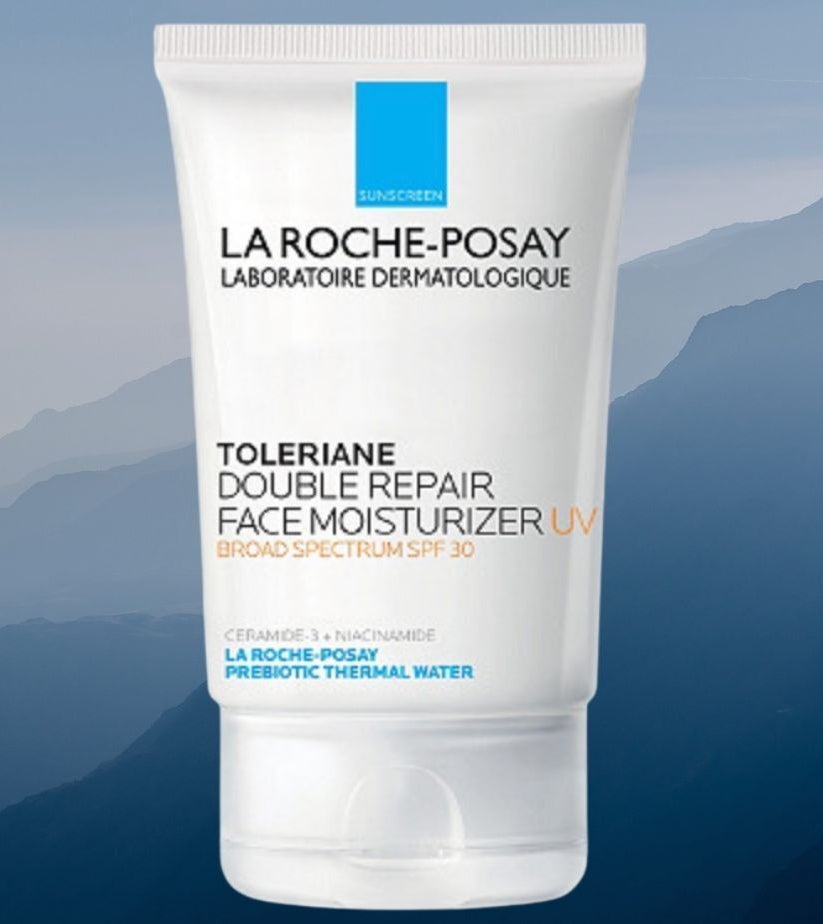
A good lightweight sunscreen with prebiotic benefits
The probiotics used in La Roche-Posay’s Double Repair moisturizer SPF 30 can help balance the skin’s microbiome and, coupled with the three kinds of ceramides used in this formula, can lead to a healthier skin barrier. Additionally, glycerin and niacinamide help keep skin hydrated throughout the day.
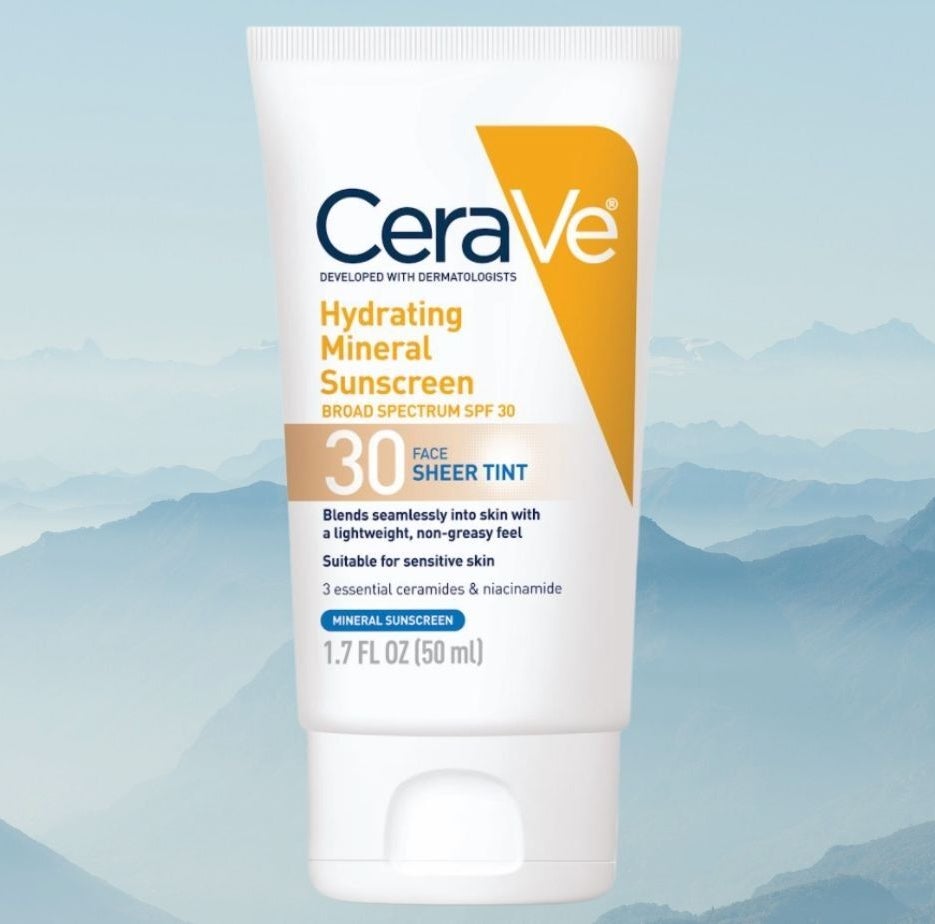
A protective tint with skin reparative properties
Sugai said that it’s important to consider the fact that our skin’s barrier is more likely to be compromised and susceptible to moisture loss during the colder months. “I like sunscreens with ceramides, which help restore the skin barrier and have hydrating ingredients. I typically recommend to my patients CeraVe hydrating mineral sunscreen SPF 30 sheer tint, which has great ingredients including ceramides, niacinamide, hyaluronic acid as well as iron oxides,” Sugai said. This tint blends seamlessly with all skin tones and can be a great option for more oily complexions. It can even be used as a protective makeup primer.
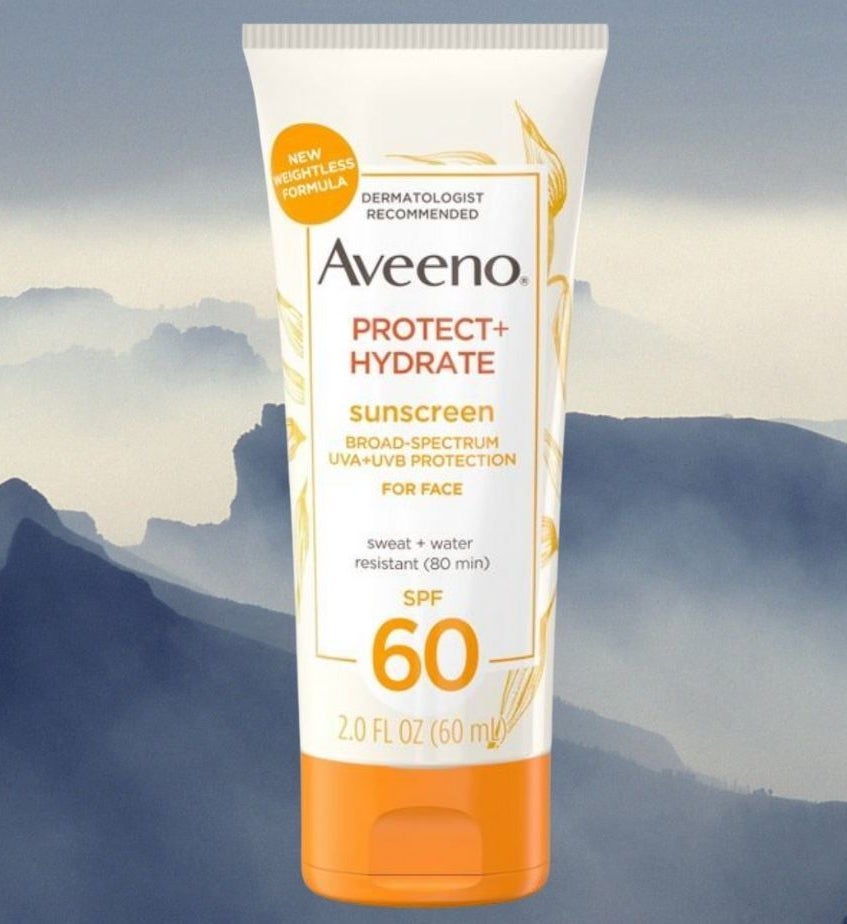
A good option for sensitive skin with a high SPF
Like most Aveeno products, the Protect + Hydrate sunscreen SPF 60 contains prebiotic oat, which can help soothe irritation and redness and help heal compromised skin. The weightless texture of this formula also makes it a good option to layer under makeup or reapply throughout the day to help you combat sun-induced free radicals.
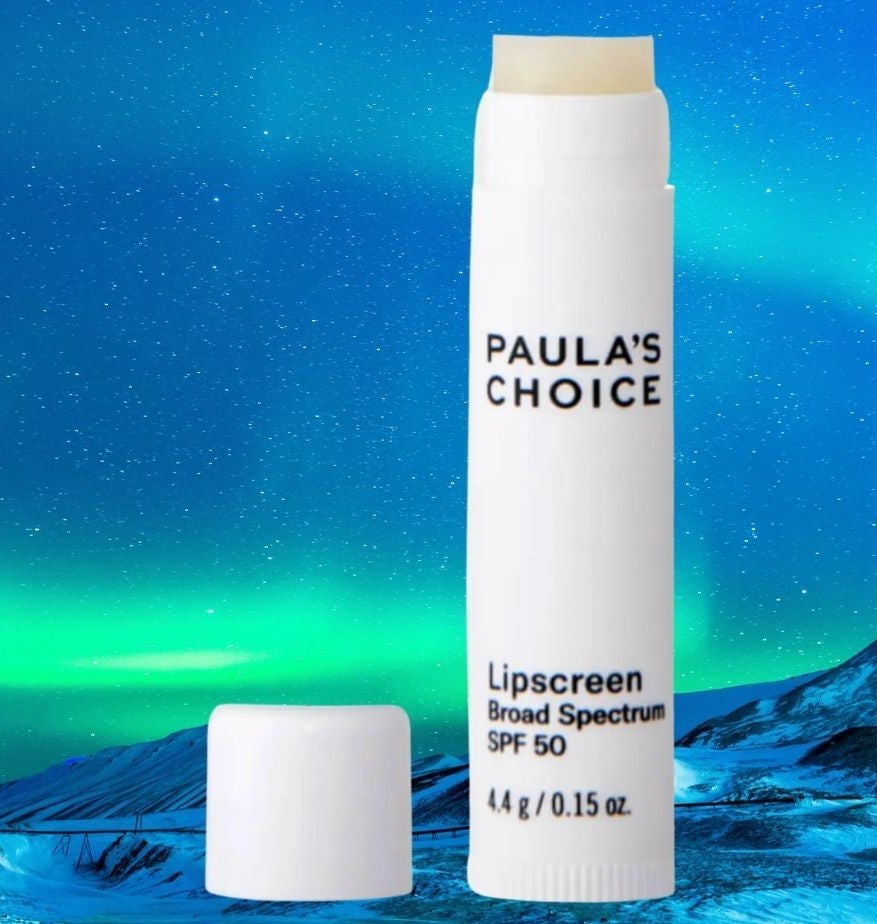
A way to protect and heal chapped winter lips
Don’t forget your lips! The Paula’s Choice Lipscreen SPF 50 is a fragrance- and taste-free essential for hydrating your lips and shielding them from the entire spectrum of the sun’s rays. The blend of oils present in this formula help replenish and hydrate lips while leaving a sheer long-lasting finish.
What Should You Look For In Winter Sunscreens?
“Mineral based sunscreens containing zinc oxide or titanium oxide provide additional moisturizing benefits,” said Beth Goldstein, a board-certified dermatologist at Central Dermatology Center in North Carolina.
She also suggested looking for options containing humectants, those “water-grabbing” ingredients like glycerin, hyaluronic acid, lactic acid and glycols. They “help the skin retain moisture through normalizing the top layer of the skin as they attract water into the skin from not only the dermis below, but also from the environment,” Goldstein said.
And, of course, “Look for sun protective products labeled as broad spectrum of at least SPF 30,” she added.
Be the first to comment